
You’ve seen it happen. A song you’ve never heard blows up overnight. A show nobody watched becomes watercooler talk in a week.
It feels random. Like luck. But it’s not.
I’ve watched this play out for years. Not in labs or spreadsheets, but in real time. On TikTok.
In group chats. At parties where someone drops a reference and everyone nods like they’ve known it forever.
Why does some culture stick while most disappears?
That’s what What Makes Culture Popular Elmagcult is about.
Not theory. Not guesswork. Just patterns I’ve seen again and again.
You’re already asking why your favorite thing went viral. Or why something you loved flopped. Or whether the next big thing is already here (and) you just haven’t noticed yet.
This article answers those questions. No fluff. No jargon.
Just clear reasons. Backed by what actually happened.
You’ll walk away knowing what makes culture spread.
And why some things just catch fire.
Why You Pass That Meme to Your Sister
I see myself in it. That’s why it spreads.
Relatability isn’t cute (it’s) the engine. When a song nails that quiet panic before a text reply, or a show frames your messy kitchen as sacred ground. You don’t just watch.
You lean in.
What Makes Culture Popular Elmagcult starts here: shared feeling, not polish. Joy. Exhaustion.
That weird guilt when you skip a family call. (Yeah, you know the one.)
A TikTok of someone burning toast becomes viral because you burned toast yesterday. Not because it’s clever. Because it’s true.
That truth makes people say “Send this to Mom” or tag three friends. Not to impress. To say I’m not alone.
It builds community fast (no) app required. Just recognition. A nod across the room.
A comment saying “this is me.”
You don’t need special access to get it. You just need to have lived a little.
Elmagcult digs into how those tiny mirrors multiply into movements.
Why do you share something? Not for clout. Because it felt like being seen.
And that’s rare.
So you protect it. You pass it on.
Like handing someone a flashlight in the dark.
Fresh Wins Attention
I saw a kid do a spin kick into a backflip at a park last summer. Nobody knew his name. But everyone stopped scrolling.
That’s how novelty works.
It punches through the noise.
Relatability gets you in the door.
Uniqueness makes people text their friends.
Think of Billie Eilish’s whisper-sung basslines. Or Ted Lasso dropping a feel-good comedy on a sports platform. Or that TikTok dance that looked like someone sneezing sideways.
People talk about it because it’s new.
Because it feels like catching lightning.
But here’s what I learned the hard way: weird for weird’s sake flops. If no one gets it. Or worse, doesn’t care.
You’re just shouting into static.
You need that hook and something human underneath. A beat people nod to. A joke they recognize.
A feeling they’ve had.
What Makes Culture Popular Elmagcult isn’t just about being first.
It’s about being first and making sense.
I tried launching a podcast with zero intros, no ads, and 47-second episodes. Fun? Yes.
Listened to twice? Nope.
Curiosity fades fast if there’s nothing to hold onto. So yes. Stand out.
But stand out with something real.
Why People Share What They Love
I post things because I want someone to get it. Not just see it. Get it.
You know that feeling when a friend texts you a meme and you laugh before you even finish reading it? That’s the hook.
Social media isn’t magic. It’s just fast word-of-mouth. People share what makes them feel seen.
Or like they’re part of something bigger than their own feed.
Remember the “What’s in your wallet?” guy? Or the first time you saw someone do the floss dance at a school assembly? That’s buzz.
Not marketing. Just people talking.
A trending hashtag spreads because clicking “share” takes less time than tying your shoes.
And once ten people you follow post the same clip, you start wondering: Did I miss something?
Sharing a movie ending or debating a TikTok trend isn’t about the content. It’s about saying: *I’m here. I’m paying attention.
I belong.*
This is how culture moves. Person to person, not top-down. No algorithm needed.
Just a group chat, a retweet, or a loud laugh in the right place.
That’s the core of What Makes Culture Popular Elmagcult.
Want real-time examples? Check out Cultural Trends Today Elmagcult. I scroll it weekly.
You probably should too.
We don’t join trends because they’re cool.
We join them because we don’t want to be the only one who doesn’t know.
Timing Is Everything
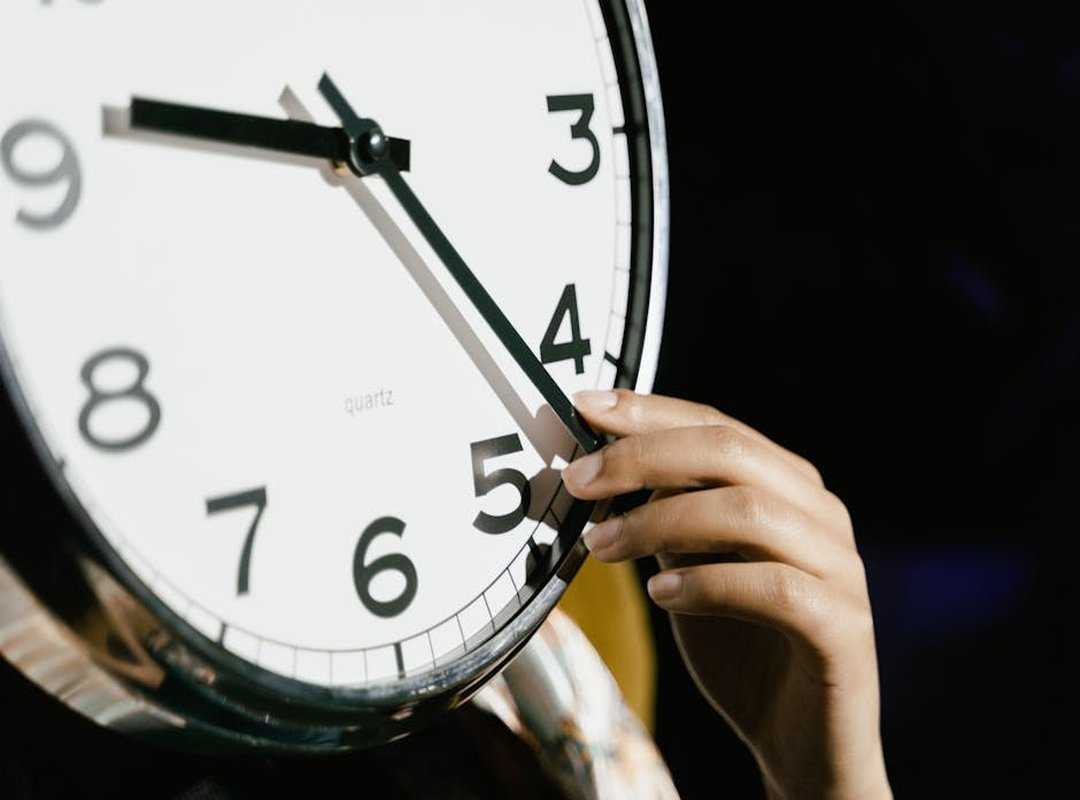
I’ve seen good songs flop and weak ones go viral. It wasn’t about talent. It was about when.
A song about hope hits different during a recession. A gadget that fixes slow Wi-Fi spreads like wildfire the week everyone starts remote work. A TV show about misinformation blows up the day after a major election lie goes viral.
You already know this.
Why else would you scroll past ten identical reels and stop on one?
Great content fails all the time.
Average content wins (if) it lands at the right second.
Culture doesn’t float in space.
It bounces off real life: jobs, news, weather, your neighbor’s argument on the porch.
What Makes Culture Popular Elmagcult isn’t just quality.
It’s timing + context = resonance.
I once watched a documentary tank on release (then) explode six months later when a scandal broke that mirrored its plot.
(We all have that story.)
You don’t control the world’s mood.
But you do notice it.
So ask yourself:
Is this idea speaking to what people are already feeling?
Or is it shouting into silence?
Easy Wins Stick
I see it all the time. Things that click fast get shared more.
Pop songs with three chords and a hook? They spread like wildfire. (Not because they’re better.
Just easier to hum.)
Dance trends that take five seconds to learn go viral. Movies with clear heroes and villains pull bigger crowds than ones that need a flowchart.
Complex ideas have their place. But mass appeal? That’s usually simplicity wearing sneakers.
Streaming killed the gatekeepers. Free platforms dropped the cost of entry to zero. You don’t need a degree to watch.
Just a phone.
Relatability isn’t magic. It’s just low friction. If you get it in two seconds, you feel part of it.
I’m not sure why some simple things flop while others explode. Timing? Luck?
A weird algorithm hiccup?
What Makes Culture Popular Elmagcult isn’t about depth (it’s) about speed of connection.
And if you’re wondering what used to work but got lost in the noise? Check out What Trends Should Come Back Elmagcult.
Why Some Things Just Stick
I used to think cultural hits were random.
Turns out they’re not.
What Makes Culture Popular Elmagcult is simple: relatability, novelty, sharing, timing, and accessibility. That’s it. No magic.
No secret algorithm.
You’ve felt this. That song you heard everywhere. The meme your cousin sent twice.
The show everyone talked about for three weeks straight.
It happens when those five things line up.
Not all at once. Just enough to catch fire.
You’re tired of guessing why stuff blows up.
You want to see it coming.
So next time something explodes. Stop scrolling. Ask yourself: which ingredients are here?
Which one’s missing?
Do that just once.
You’ll spot patterns faster than you think.
Go watch something trending right now. Pause it. Name the ingredients.
You already know more than you think.