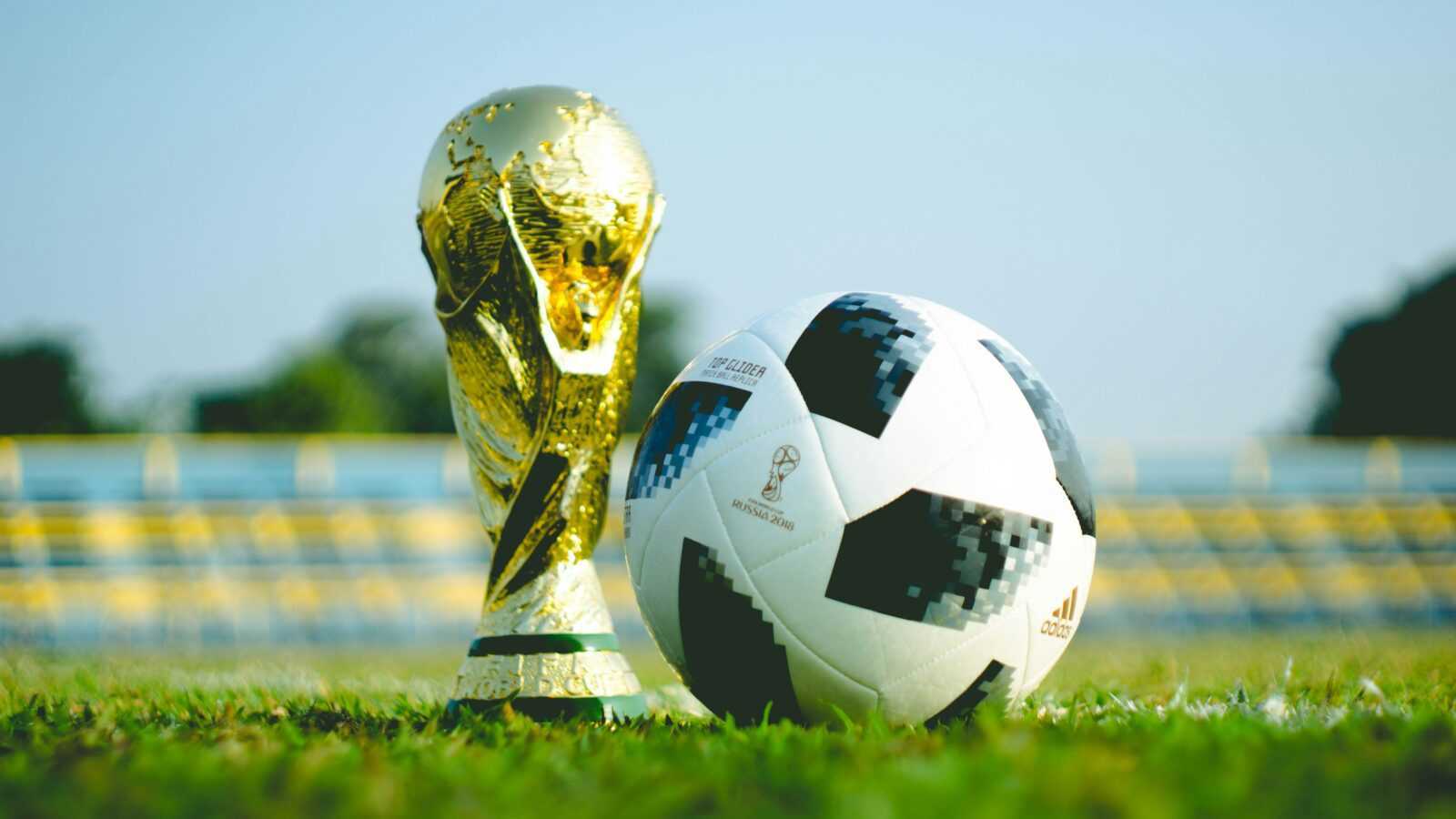
The FIFA World Cup is the pinnacle of international football, but for many players, simply reaching the tournament can be as challenging as winning it. Injuries are an unavoidable part of elite sport, and some of football’s greatest names have faced heartbreaking setbacks just months before the biggest tournament in the world.
Yet throughout World Cup history, several legendary players have demonstrated remarkable determination by recovering from major injuries and still performing on football’s grandest stage. Their stories of rehabilitation, discipline, and mental resilience continue to inspire athletes and fans alike.
As anticipation grows for the 2026 FIFA World Cup in the United States, Canada, and Mexico, conversations surrounding squad selections, player fitness, and even 2026 World Cup odds are already dominating football discussions. One player attracting particular attention is Neymar, whose potential return from injury for Brazil could become one of the tournament’s most emotional storylines.
Here are some of the most inspiring examples of football stars overcoming injury adversity to compete at the World Cup.
Ronaldo Nazario — From Career-Threatening Injuries to World Cup Glory
Few football injury comebacks are more famous than Ronaldo Nazario’s return before the 2002 FIFA World Cup.
Widely regarded as one of the greatest strikers in football history, Ronaldo suffered devastating knee injuries between 1999 and 2001 while playing for Inter Milan. At one stage, many feared his career could be over entirely.
The Brazilian forward underwent multiple surgeries and spent long periods away from competitive football during what should have been the peak of his career.
Despite these setbacks, Ronaldo returned for the 2002 World Cup in South Korea and Japan and delivered one of the greatest redemption stories in sports history:
- 8 tournament goals
- Winner of the Golden Boot
- Two goals in the final against Germany
- World Cup winner with Brazil
His comeback demonstrated the importance of mental resilience during rehabilitation and remains one of football’s most inspirational stories.
David Beckham — Racing Against Time for 2002
Ahead of the 2002 FIFA World Cup, England captain David Beckham suffered a fractured metatarsal while playing for Manchester United.
The injury immediately created fears that England’s biggest star would miss the tournament entirely.
Beckham’s rehabilitation became a national story in England, with:
- Intensive physiotherapy
- Specialized recovery programs
- Controlled fitness training
- Constant medical monitoring
Remarkably, Beckham recovered in time to captain England at the World Cup just weeks later.
Although not fully fit during the tournament, his determination to return quickly became symbolic of leadership and commitment to the national team.
Virgil van Dijk — Returning After ACL Recovery
Modern football has seen huge advances in rehabilitation science, and Virgil van Dijk’s recovery from a serious ACL injury highlighted how elite athletes now approach recovery with greater precision.
The Liverpool FC defender suffered the injury in 2020 and missed a large portion of the season.
ACL injuries can be particularly difficult for footballers because they impact:
- Mobility
- Turning ability
- Confidence
- Physical explosiveness
Van Dijk’s disciplined recovery process included:
- Strength rebuilding
- Balance training
- Controlled pitch sessions
- Sports psychology support
He eventually returned to captain the Netherlands at the 2022 FIFA World Cup, where his composure and leadership once again became central to the national side.
Marco Reus — The Emotional Side of Injury Recovery
Not every injury comeback story ends with success, and Marco Reus became one of football’s most emotional examples of persistence despite repeated setbacks.
The German midfielder missed multiple major tournaments because of injuries, including the 2014 World Cup that Germany ultimately won.
For years, Reus battled:
- Muscle injuries
- Ankle problems
- Ligament damage
Despite enormous frustration, he continued returning to elite football and eventually represented Germany at later international tournaments.
His story highlights the emotional side of rehabilitation, where athletes must repeatedly rebuild confidence after setbacks.
Luis Suarez — Recovering Just in Time for 2014
Before the 2014 FIFA World Cup, Uruguay striker Luis Suarez underwent knee surgery only weeks before the tournament began.
Many doubted whether he would recover in time.
Suarez followed an aggressive rehabilitation schedule involving:
- Intensive physiotherapy
- Strength work
- Controlled fitness progression
He returned during the group stage and immediately impacted the tournament, famously scoring twice against England in one of the World Cup’s most memorable performances.
His rapid recovery demonstrated how elite football medicine and rehabilitation programs can sometimes dramatically shorten expected recovery timelines.
Neymar and the Inspiration of a Potential 2026 Return
As football looks ahead to the 2026 FIFA World Cup, Neymar’s potential return for Brazil carries enormous emotional significance.
Neymar suffered a serious ACL injury in 2023 while representing Brazil, forcing him into a lengthy rehabilitation process during the later stages of his career.
The injury raised major questions about:
- His long-term fitness
- International future
- Ability to return at elite level
However, Neymar has remained determined throughout recovery. For younger players and fans, his journey represents several important lessons:
- Elite athletes still face setbacks
- Recovery requires patience
- Mental strength matters as much as physical healing
- Experience and determination can extend careers
If Neymar successfully returns to lead Brazil at the 2026 World Cup, it could become one of football’s defining redemption stories.
Brazilian fans continue hoping the tournament may provide one final World Cup opportunity for one of the country’s most talented modern players.
Modern Rehabilitation Has Changed Football
Today’s footballers benefit from sports science advancements that previous generations never had access to.
Modern rehabilitation programs now include:
- Biomechanical analysis
- Personalized recovery plans
- GPS workload monitoring
- Advanced physiotherapy
- Nutrition optimization
- Mental health support
According to FIFA medical research, injury prevention and recovery science have become central to modern football performance management. Clubs and national teams now invest millions into:
- Recovery facilities
- Cryotherapy
- Hydrotherapy
- Sports psychologists
- Recovery specialists
This has helped players return faster and more safely from injuries that once ended careers.
Why Injury Comebacks Inspire Fans
Fans connect deeply with injury comeback stories because they reflect universal themes:
- Perseverance
- Frustration
- Discipline
- Resilience
- Hope
World Cups amplify these emotions because the tournament occurs only once every four years. Missing one can permanently affect a player’s legacy.
When athletes successfully return from adversity to compete at the World Cup, their stories often become as memorable as the football itself.
Football history is filled with incredible examples of players overcoming major injuries to compete on the world’s biggest stage. From Ronaldo Nazario’s legendary 2002 redemption to Neymar’s potential return in 2026, these athletes demonstrate how determination, discipline, and modern rehabilitation can help overcome enormous setbacks.
As the next World Cup approaches, fans will once again follow not only tactical battles and tournament favorites, but also the personal journeys of players fighting to return from injury and represent their countries at football’s greatest event.