Carbs Are Not the Enemy
Low carb diets get a lot of hype, but cutting carbs doesn’t automatically make something healthy. Replacing whole grains and legumes with processed meat and cheese might reduce your carb intake but it can spike your saturated fat and sodium levels instead. Health isn’t just about subtraction; it’s about what you’re putting into your body.
There’s also a difference between simple and complex carbs. Simple carbs, like refined sugar and white bread, hit your bloodstream fast, causing crashes in energy and spikes in hunger. Complex carbs found in foods like brown rice, quinoa, oats, and lentils digest slowly. They give you steady energy, keep you full longer, and support your gut with fiber.
Whole grains and fiber rich carbs do more than fuel your day. They help manage blood sugar, reduce inflammation, and even support mental health. Ditching all carbs might make the scale budge short term, but long term health depends on balance, not carb elimination.
Detox Diets Don’t Actually Detox
Despite what popular wellness trends might suggest, detox diets are not the magic solution they’re often marketed to be. Your body already comes equipped with its own built in, highly effective detox system and it runs 24/7.
What Your Liver and Kidneys Actually Do
Your liver and kidneys are the unsung heroes of metabolic detoxification. They work continuously to filter, process, and eliminate waste, toxins, and foreign substances from your body.
Liver: Converts harmful compounds into less toxic forms and facilitates their elimination.
Kidneys: Filter your blood, regulate fluid balance, and remove waste through urine.
Lymphatic system and skin: Also play roles in natural detox.
When these organs are functioning properly, your body does not need an external “cleanse” to detoxify.
Juice Cleanses: Marketing vs. Metabolic Truth
Juice cleanses are heavily promoted as a way to reset your body, flush out toxins, or spark weight loss. But what do they actually do?
Often low in protein and fiber, which are both essential for detoxification processes.
Can cause blood sugar spikes, fatigue, and nutritional imbalances.
Weight lost is usually water or muscle, not fat.
No scientific evidence shows that juices remove toxins more effectively than a balanced diet.
How to Support Natural Detoxification
Instead of quick fixes, focus on sustainable ways to support your body’s natural detox pathways:
Stay hydrated: Water helps flush waste through kidney function.
Consume fiber rich foods: Fiber binds to toxins and enhances elimination.
Limit alcohol and processed food: These burden the liver.
Prioritize sleep: Detoxification ramps up during deep sleep cycles.
Nutrient dense diet: Include cruciferous vegetables, whole grains, and healthy fats.
Real detox happens through daily habits not 3 day juice plans.
“The best detox isn’t short term or extreme it’s sustained support for the systems already designed to keep you healthy.”
Not All Fats Are Bad
Fat has been villainized for decades, but the story isn’t so black and white. The truth is, not all fats behave the same inside your body. Saturated fats found in things like butter, red meat, and full fat dairy aren’t completely off limits, but too much can mess with cholesterol levels and heart health. Unsaturated fats, on the other hand the kind in avocados, nuts, seeds, and olive oil are linked to better brain function, hormone balance, and even lower inflammation.
Here’s the key: context and quality matter more than blanket rules. Replacing processed carbs with healthy fats can help stabilize mood, improve focus, and support long term metabolic health. This is especially critical for brain function and hormone production, both of which rely on fat as a foundational building block.
As for keto? It works for some, not all. It’s a restrictive diet that can backfire if done without close attention to nutrient diversity or long term sustainability. For the average person, obsessing over macros doesn’t beat building habits around whole, nutrient dense foods. Don’t chase extremes. Eat smart, stay balanced.
Plant Based Does Not Mean Protein Deficiency
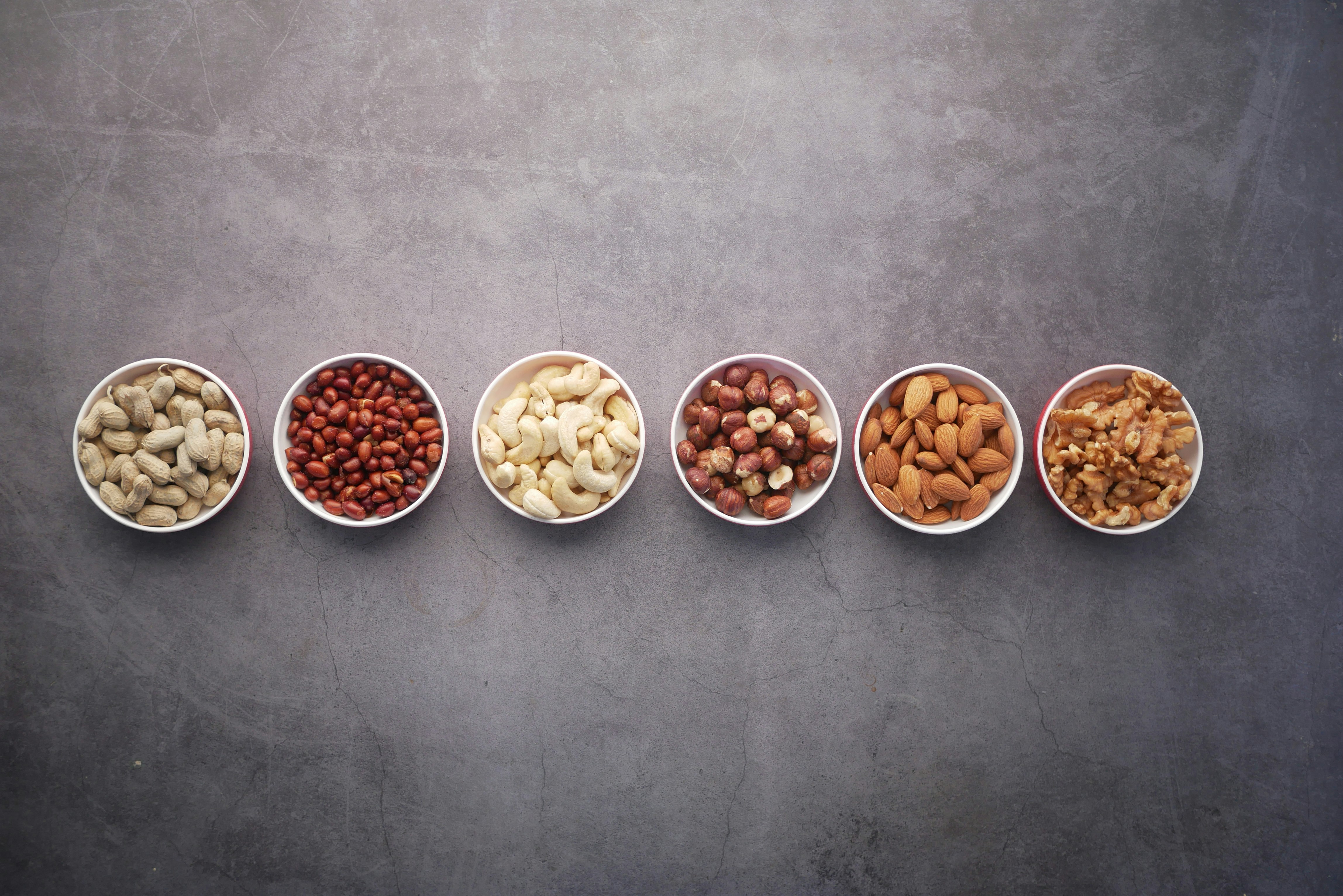
For decades, the myth that plant based diets lead to protein deficiency has persisted largely due to misunderstandings around the concept of “complete” protein. Let’s break that down with what current science actually says.
Myth: Plants Don’t Have “Complete” Protein
The term complete protein refers to foods that contain all nine essential amino acids in adequate amounts. While many plant foods may fall short in one or two amino acids, the idea that you must combine proteins at every meal to get all nine is outdated.
Most people eating a varied plant based diet naturally get all essential amino acids over the course of the day
The body maintains an amino acid pool, so balance happens over time, not meal by meal
Many plant foods are complete proteins on their own
Powerful Plant Protein Sources
You don’t need meat or dairy to meet your protein needs. Consider these plant based options:
Legumes (like lentils, black beans, and chickpeas): rich in lysine and fiber
Quinoa: a complete protein and a gluten free grain alternative
Soy products (tofu, edamame, tempeh): complete proteins that support muscle repair and hormone balance
Science Backed Tips for Optimal Plant Based Nutrition
Maximizing protein and your overall health on a plant based diet is all about balance and variety.
Diversify your protein sources: Rotate legumes, grains, nuts, and seeds across meals
Pair smartly: Rice and beans, peanut butter on whole grain toast these simple combos cover the spectrum
Monitor intake if active or aging: Higher protein needs may require more deliberate planning
Supplement with B12: While protein is covered, vitamin B12 isn’t naturally found in plants and should be added
Science continues to show that plant based diets can easily meet protein requirements when well planned. Don’t fall for misinformation your muscles, mind, and metabolism can all thrive on plants.
Skipping Breakfast Doesn’t Always Wreck Metabolism
Intermittent fasting isn’t new, but it’s finally shedding the hype and settling into science. It turns out our metabolisms are more adaptable than we gave them credit for. This concept metabolic flexibility is about your body’s ability to switch between fuel sources (fat, glucose) depending on what’s available. The result: eating windows can shift, fasting can be useful, and breakfast doesn’t have to be sacred.
What’s clear is that the one size fits all approach to meal timing doesn’t hold up. Some people thrive on early meals. Others function better skipping until noon. It’s less about forcing patterns and more about understanding how your body reacts. The key trend: ditching strict food rules and tuning into hunger signals instead of clocks.
For creators, nutrition isn’t just a side note it’s about energy, consistency, and mental clarity. So no, skipping breakfast won’t wreck your metabolism. But ignoring what your body actually needs might.
Supplements Aren’t Shortcuts
Multivitamins have long carried halo status just pop one and you’re covered, right? Not so fast. For many people, especially those with a reasonably balanced diet, multivitamins amount to little more than expensive urine. Your body filters out what it doesn’t need. What matters more is identifying real gaps using data, not gut feelings or influencer fear mongering.
That said, there are times when supplementation makes sense. Pregnancy, strict vegan diets, or specific diagnosed deficiencies are all smart use cases. But this isn’t a free pass for blanket usage. Throwing handfuls of pills at a problem you don’t understand can do more harm than good.
The real shift in 2026 is personalization. We’re not guessing anymore. Wearables, gut biome tests, and at home blood kits offer precision insight into what your body actually needs. Personalized health tech is cutting through the noise, helping people shift away from one size fits all multivitamins toward targeted, need based solutions.
Want a glimpse into how tech is driving this smarter approach? Check out how it’s transforming chronic care: chronic disease tech tools.
Science Over Hype
Nutrition science gets twisted more than most. One month it’s all about cutting carbs, the next it’s all about seed oils. But here’s the deal: real science takes time. Diet fads, on the other hand, move fast and often have money behind them. When you see a flashy headline claiming a food will “burn belly fat” or “boost metabolism 300% overnight,” ask yourself who paid for that study? Was it peer reviewed? Was it a single study or part of a larger body of evidence?
Genuine research looks at long term health across diverse populations. Fads zero in on the quick sell rapid weight loss, miracle ingredients, or tricks that ignore context. They skip the nuance. Science doesn’t. And more importantly, the best science leads to sustainable choices, not sudden overhauls.
Digital tools are helping sift signal from noise. Apps and platforms are now looking at your health data movement, sleep, bloodwork and providing nutrition suggestions that match your actual needs.
If you want to see how advances in tech are changing the way people manage chronic conditions and make real time, evidence based nutrition decisions, check out this read: chronic disease tech tools.