Viral Movements with Real Impact
Going viral used to be about shock value, dance trends, or a catchy hook. But in 2024, virality is evolving into something heavier it’s now shaping how people talk about politics, identity, and current events. One meme can kickstart weeks of conversation. A TikTok dance challenge can turn second wave feminism into a trending hashtag. Twitter (or whatever it’s called by the time you read this) turns everyday commentary into fuel for national debates.
We’ve seen it all: parody memes pushed climate awareness, throwaway tweets turned into petitions, and niche creators launched entire fundraising drives through nothing more than stitched reaction videos. The line between “post for laughs” and “post for change” is blurrier than ever.
And audiences are responding. They expect creators to show up with more than fluff. They want real takes. Entertainment doesn’t mean empty. Today, digital activism is often baked right into the content whether that’s a comedy duo riffing on policy failures or a beauty vlogger calling out greenwashing mid makeup tutorial.
What’s unfolding isn’t just viral it’s cultural muscle memory being rewritten in real time.
Music Power Shifts
The global music landscape is shifting in bold and irreversible ways. While English language dominance in the charts isn’t over, it’s no longer the only narrative. Music is becoming more multilingual, cross cultural, and genre defying and the audience is here for it.
Challenging English Language Chart Dominance
More non Western artists are pushing onto major charts, expanding what ‘mainstream’ really means. With global streaming access and social media virality, young listeners are embracing songs sung in languages other than English.
Key examples:
Latin American and African artists consistently charting on platforms like Spotify and Apple Music
Spanish, Korean, French, and Hindi tracks getting prime playlist placements globally
Collaborations across continents helping songs gain traction in multiple markets
Genre Crossovers Are the New Normal
Genre is no longer a fixed identity it’s a creative tool. Artists are increasingly blending styles to stay current and connect across demographic lines.
Popular genre mix trends:
Hip hop meets punk and hyperpop
EDM fused with Afrobeat or reggaeton
Country pop hybrids still holding mainstream appeal
These crossovers aren’t just experimental they’re strategic, marketing savvy, and wildly popular with Gen Z.
Spotlight: K pop’s Expanding Cultural Footprint
K pop is a prime case study in this global reshaping of music. Once seen as a niche, now it dominates culturally significant spaces well beyond South Korea.
K pop’s growing global influence highlights:
Multi language albums boosting reach and accessibility
K pop groups topping Billboard charts while headlining festivals worldwide
Crossovers with American, Latin, and Japanese artists becoming more common
What began as fandom driven has now become a sustained, industry wide shakeup.
The message is clear: music no longer needs to be in English or fit into a single genre to lead the charts. Artists who think globally and experiment boldly are rewriting the rules.
Celebrities Changing the Rules
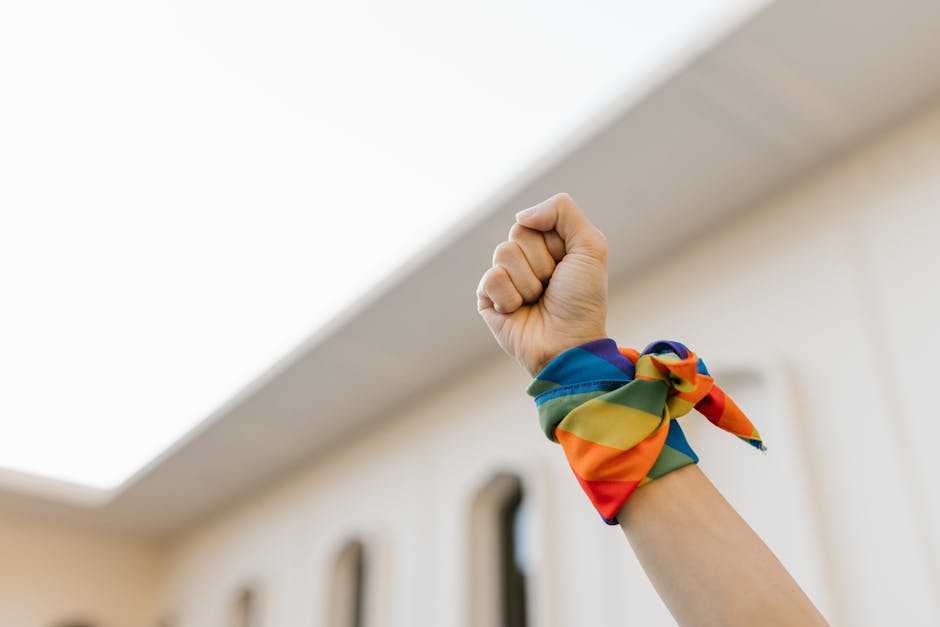
The era of the untouchable, PR scripted celebrity is fading. In its place: stars who take control of their own narrative, flaws and all. Getting “cancelled” isn’t the end for many instead, it’s turning into a reset button. Public figures are learning the playbook: take accountability (or not), go quiet, come back with clearer messaging, often directly to fans. Think YouTube apologies in the early 2010s, only now reimagined on TikTok and Threads with less polish and more real time vulnerability.
These stripped back platforms are encouraging more unfiltered access. Celebs are skipping traditional press to speak directly through Stories, Lives, and selfie shot updates. That kind of digital intimacy builds loyalty fast but it also adds pressure. With bigger followings comes louder demand for public stances on politics, social justice, and culture. Staying silent isn’t always neutral anymore; audiences are holding their faves accountable.
This trend is redefining what it means to be a public figure. It’s less about perfection, more about transparency and timing. The ones playing it smartest aren’t just surviving they’re leading the conversation.
Fashion Statements as Social Signals
Red carpets aren’t just about the outfits anymore they’re where politics, identity, and cultural commentary collide. From protest pins to gender fluid tuxedos, these events have become prime time for making statements that trend faster than red carpet recaps. In 2024, who wears it and why often outshines what they’re actually wearing.
At the same time, runway looks are time traveling. 90s minimalism and Y2K glam are fully back, repackaged for a new generation raised on VHS filters and early internet nostalgia. It’s more than aesthetic it’s emotional currency. Nostalgia sells because it feels familiar in a fast, fractured culture. Creators and brands play into this, remixing old school pieces with modern edge.
And fashion weeks? They’re not immune to the scroll fatigue either. Livestreams, short form highlights, behind the scenes vlogs fashion is going digital first to grab eyes and keep them. With shortened attention spans and algorithm driven hype cycles, traditional runway shows are now just one part of a much bigger content play. If you’re not adapting, you’re getting cropped out.
Content Going Global
Streaming cracked open the borders. Shows and films from South Korea, Spain, India, and Nigeria aren’t just doing well overseas they’re topping global charts. Thanks to platforms like Netflix, Disney+, and Amazon’s global rollout strategies, it no longer matters where a story originates. If it hits, it travels.
Subtitles aren’t the hurdle they used to be. Gen Z and younger millennials are growing up reading captions by default whether it’s for clarity, accessibility, or comfort. Language isn’t a barrier anymore; it’s just part of the experience. High production value and compelling storytelling do the heavy lifting, and people are more than ready to follow along.
What’s changed most is the appetite. Viewers are hungry for stories that aren’t carbon copies of what they’ve seen for decades. They want culture, specificity, new perspectives. And they’re vocal about it. Studios and platforms are paying attention because the data is clear: international content isn’t niche now, it’s mainstream. Storytelling that travels is storytelling that thrives.
Wrap up: Culture Isn’t Local Anymore
Pop culture doesn’t wait for a New York runway or a London club night to signal what’s next. Trends start on screens shaped in comment sections, pushed through shares, and boosted by algorithms. What used to be local flair now hits global fast forward.
One TikTok sound can rewrite the charts on three continents. A slang term from Nairobi or Seoul can end up in YouTube titles worldwide. The flow is fast, and the borders are more concept than constraint.
Case in point: K pop. What started regionally now commands a worldwide following. The scale isn’t the only story the mechanics matter too. Engagement from across time zones, fan dubbed content, synchronized social pushes. It’s not a music genre; it’s a template for cultural reach in the digital age. The ongoing worldwide surge in K pop’s popularity keeps proving that cultural moments no longer need geographic roots. They just need a Wi Fi signal.